
Walking into a clothing store today means being faced with an endless variety of garments, colors, styles and prices. While fashion has become more accessible than ever, making an informed purchasing decision has become increasingly challenging.
For many years, consumers believed that price was the best indicator of quality. Today, we know that this is no longer always true. An expensive garment may reflect the value of the brand, marketing, or current fashion trends rather than superior craftsmanship or materials.
This raises an increasingly common question: how can you tell if a garment is well made and built to last?
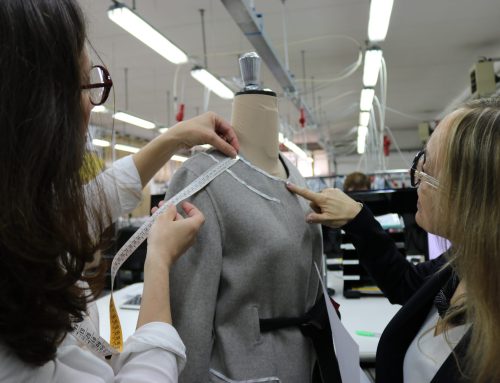
To answer this, we turn to the practical experience of the Crea-Si tailors, who work every day on garment development, prototyping, and production. Their expertise reveals what truly distinguishes a high-quality garment from one that is likely to wear out after only a few uses.
How can you tell if a garment is high quality?
There is no single feature that defines a high-quality garment. Quality is the result of several factors working together, including materials, construction, craftsmanship, and attention to detail.
The first place to look is the garment label. Although often overlooked, it provides valuable information about fiber composition, country of manufacture, and care instructions. Natural fibers such as cotton, wool, and linen generally offer better breathability and comfort, while garments made primarily from synthetic fibers may not provide the same performance.
Care instructions can also reveal a great deal about fabric quality. Fabrics that can withstand higher washing temperatures without damage are often more durable and resistant to wear.
The importance of garment construction and stitching
While fabric forms the foundation of a garment, construction determines how well it performs over time.
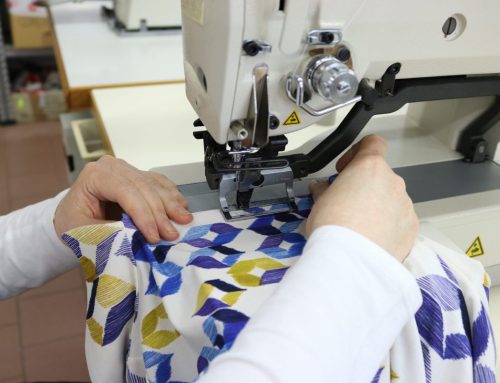
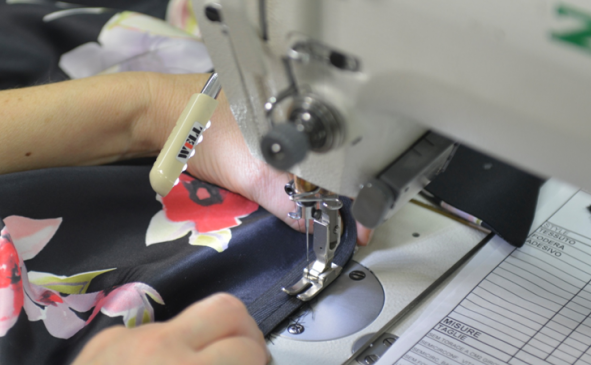
Stitching should be straight, even, and neatly finished. Loose threads, uneven seams, or unfinished details are often signs of rushed manufacturing and lower production standards.
Pay particular attention to areas exposed to greater stress, such as the shoulders, sleeves, armholes, and the crotch of trousers. These are usually the first areas where poor-quality garments begin to fail.
One of the most overlooked quality checks is examining the inside of the garment. Professional tailors consider this one of the most reliable indicators of craftsmanship. A well-made garment is carefully finished both inside and out, and the interior often reveals the true level of manufacturing quality.
Details and finishing: what really makes the difference
Beyond fabrics and stitching, small details complete the overall picture of garment quality.
Zippers, buttons and finishing elements should never be overlooked. A metal zipper generally offers greater durability than a plastic one. Buttons should be securely attached with strong, even stitching.
Even the inclusion of a spare button is a small but meaningful sign that the garment was designed with longevity and future maintenance in mind.
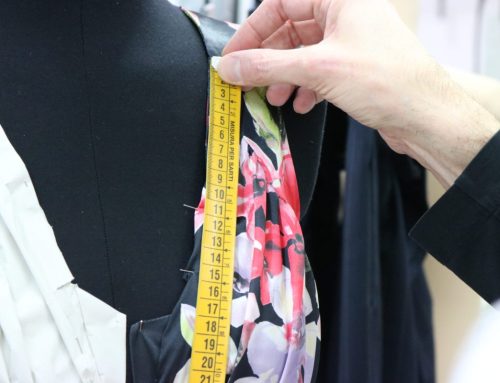
Pattern matching is another excellent indicator of quality craftsmanship. On high-quality garments, stripes, checks, or printed patterns align perfectly across seams. Achieving this requires additional fabric, more precise cutting, and greater production time. When patterns do not align, it often reflects manufacturing processes focused on speed rather than precision.
Affordable clothing vs. high-quality clothing: what really changes?
For many shoppers, the difference is not immediately obvious. However, closer inspection usually reveals consistent characteristics.
Lower-priced garments often feature uneven stitching, lower quality fabrics and poorly finished interiors. Their fit may quickly lose its structure after only a few wears or washes.
By contrast, high-quality garments are built with stronger construction, finer fabrics and carefully finished details. As a result, they maintain their shape, comfort, and appearance for much longer.
This difference is not simply aesthetic—it directly affects durability, comfort, and the overall wearing experience.
The tailors’ perspective: recognizing quality at a glance
Professionals who work in garment manufacturing develop a trained eye for quality.
The Crea-Si tailors immediately evaluate several key aspects:
- Fabric behavior
- Stitching precision
- Pattern balance and garment proportions
- Quality of finishing details
A well-made garment naturally drapes over the body, follows its shape without unnecessary tension, and retains its structure over time. This is not simply the result of attractive design, but of careful planning, technical expertise, and high-quality materials.
Are expensive clothes really better?
One of the most common questions consumers ask concerns the relationship between price and quality.
The answer is simple: not necessarily.
A higher price often reflects branding, advertising, retail positioning, or fashion trends rather than superior garment construction.
True quality depends on measurable factors such as fabric selection, pattern development, manufacturing techniques and finishing details.
Learning how to recognize these characteristics allows consumers to make smarter purchasing decisions regardless of the price tag.
How to choose clothes that last
Buying clothing more consciously means changing your perspective. Instead of choosing garments based solely on appearance, consider how well they will perform over time.
A high-quality garment should:
- Maintain its shape and fit
- Withstand repeated washing
- Provide lasting comfort
- Offer greater durability over years of wear
This approach not only leads to better purchases but also encourages more sustainable consumption by reducing unnecessary replacements and impulse buying.
Recognizing a high-quality garment is easier than many people think—it simply requires knowing what to look for.
Price alone is not a reliable indicator. Instead, pay attention to the materials, garment construction, stitching, and finishing details.
The experience of the Crea-Si tailors shows that true quality is both visible and tangible. A well-made garment not only looks better but is carefully designed to stand the test of time.
The simplest advice is also the most valuable: choose better, and invest in clothing that is made to last.
About the Author: Crea-Si