
Jersey fabric is one of the most popular and widely used materials in the fashion and garment manufacturing industry. Famous for its extraordinary comfort, jersey is not technically a woven fabric, but a plain knit fabric that offers natural elasticity and an impeccable drape. In this comprehensive guide, you will discover what jersey fabric is, its main characteristics, its various applications in clothing, and practical tips on how to wash, iron, and care for jersey garments without damaging them.
What is jersey fabric and how is it made?
Originally from the Island of Jersey in the English Channel, where it was historically used for fishermen’s workwear, this material was brought into high fashion by Coco Chanel. The uniqueness of jersey lies in its knit construction, where the vertical ribs on the front and horizontal loops on the back allow the fabric to stretch both horizontally and vertically, providing unique comfort and an effortlessly comfortable fit.
Key characteristics of jersey fabric
Choosing jersey for garment manufacturing offers numerous technical and aesthetic benefits.
First of all, its elasticity and shape retention allow it to stretch easily and recover its original shape without losing its form, thanks to its knit structure.
It is also appreciated for its softness and skin comfort, making it pleasant to the touch and perfect for underwear or garments worn directly against the skin.
Furthermore, jersey is lightweight and features a natural drape, falling fluidly to follow the curves of the body.
Its breathability allows body heat and moisture to dissipate, which makes it ideal for both summer clothing and activewear.
Another advantage is its wrinkle resistance, as it tends not to crease easily and keeps a neat appearance even after long wear or being packed in a suitcase.
In addition, jersey offers great versatility in terms of fibers, since it can be crafted from cotton, wool, viscose, polyester, or synthetic blended elastic fibers such as elastane or spandex.
Finally, it yields great results for dyeing and printing, absorbing dyes well and working exceptionally well with digital printing, screen printing, and custom designs.
Common uses of jersey fabric in clothing
Thanks to its flexibility and adaptability, jersey fabric is used across many fashion categories. It is widely employed in casual and everyday wear for t-shirts, polo shirts, lightweight tops, and casual shirts. It is also ideal for dresses and skirts, particularly draped dresses, fitted outfits, or fluid garments that require softness. In addition, jersey is a popular choice for sportswear and activewear, including leggings, light sweatshirts, and technical workout t-shirts, as well as for underwear and sleepwear such as comfortable pajamas, loungewear, and innerwear. Specific characteristics may vary depending on the fiber composition used in fabric production.
Practical care guide: how to wash and maintain jersey garments
To preserve the color brightness and natural elasticity of your jersey clothing over time, it is essential to follow a few simple maintenance precautions.
Washing and detergent
Wash your garments by hand or in a washing machine using a delicate cycle with cold water to minimize the risk of fabric shrinkage. It is best to use mild detergents specifically formulated for delicate or elastic fabrics, and to always separate light and dark items before washing to prevent color bleeding.
Drying and ironing
Air dry your clothes in the shade whenever possible. If you decide to use a tumble dryer, select a low-heat cycle to protect the fabric fibers. Ironing should be done at low temperatures, preferably on the reverse side or using a protective pressing cloth between the iron and the fabric. Alternatively, using steam is an effective way to remove wrinkles without direct contact from a hot iron.
Storage and anti-deformation tips
Fold your garments instead of hanging them long-term, because the weight of hanging clothes can stretch out the shoulders and misshape the natural elasticity. Store your clothes without excessive compression to preserve the softness of the fabric, and be careful with zippers or sharp metal accessories that could snag or pull the knit threads. Lastly, fix small tears or loose seams immediately to prevent further unraveling of the knit stitch.
Frequently Asked Questions about jersey fabric
Does cotton jersey shrink in the wash? Like most natural fibers, cotton jersey can experience minor shrinkage if washed at high temperatures. It is recommended to wash it at 30°C, which equals 86°F, on a delicate cycle.
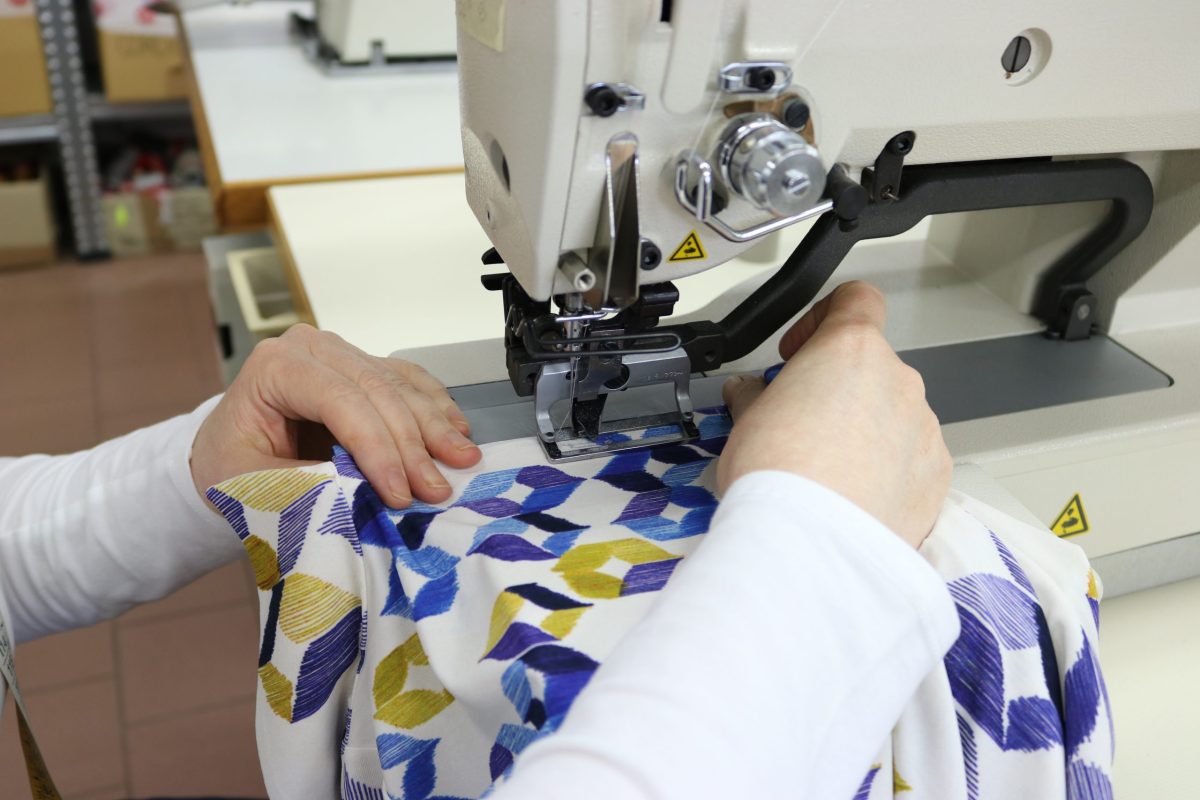
Is jersey fabric difficult to cut and sew? Because it is a stretch fabric, sewing jersey requires specific technical skills, appropriate needles such as ballpoint needles, and suitable equipment like sergers or overlockers to prevent seams from popping when stretched.
Looking to create your own collection or jersey garments?
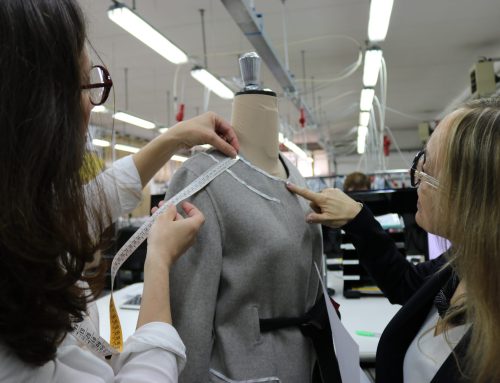
Jersey is a versatile material with great potential, but it requires technical precision during pattern making, cutting, and sewing.
Crea-Si supports you in the development and manufacturing of your jersey garments. With over thirty years of experience in clothing production and working with a wide range of fabrics, we assist fashion brands and designers from concept to finished product.
Contact us today to share your project or request more information!
About the Author: Crea-Si