
Garment fitting is one of the most important stages in the development of a clothing item. It is the phase in which the prototype is worn and carefully evaluated to assess fit, proportions, comfort, and overall appearance before producing the sample collection or the final production line.
A thorough fitting session makes it possible to identify any necessary adjustments and optimize the pattern, preventing costly mistakes that could affect the final production.
What is garment fitting in the fashion industry?
Garment fitting is the process of testing the first prototype of a garment. During this stage, the garment is worn by a fit model whose body measurements match the reference size, allowing the development team to evaluate how the garment performs when worn.
The goal is to ensure that the design developed from the pattern meets the expected standards of fit, comfort, functionality, and style established during the collection development process.
Why is garment fitting so important?
Garment fitting allows designers and manufacturers to correct any imperfections before moving forward with sample production or garment manufacturing.
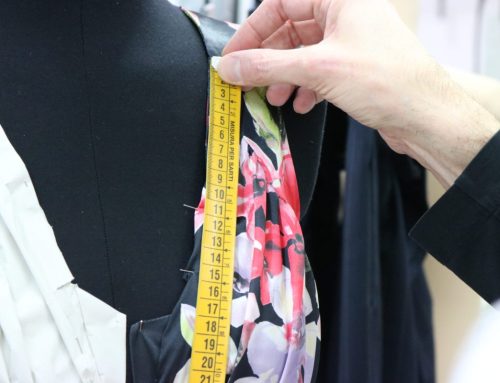
During the fitting session, several aspects are carefully evaluated:
- Overall garment fit
- Balance of proportions
- Sleeve, trouser, and skirt lengths
- Placement of seams and darts
- Fabric drape
- Comfort during movement
- Finishing details and overall aesthetics
Even minor adjustments can significantly improve the final result, ensuring a higher-quality garment that fully meets the brand’s standards.
From prototype to sample collection
The fitting process serves as the bridge between garment development and production.
The observations collected during the fitting session are used to update the pattern and refine the prototype. Only after these revisions is the sample collection produced, ensuring that it accurately represents the final garment intended for manufacturing.
This process helps reduce production errors, minimize rework, and optimize both development time and production costs.
The role of the pattern maker and seamstress
Garment fitting involves professionals with complementary expertise.
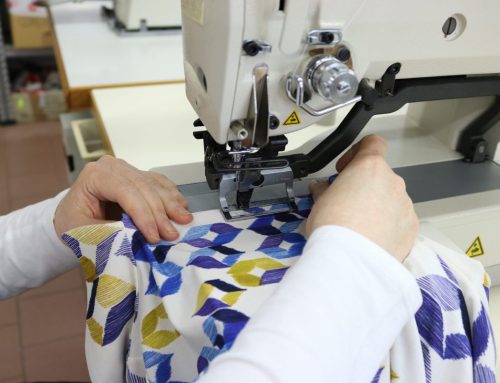
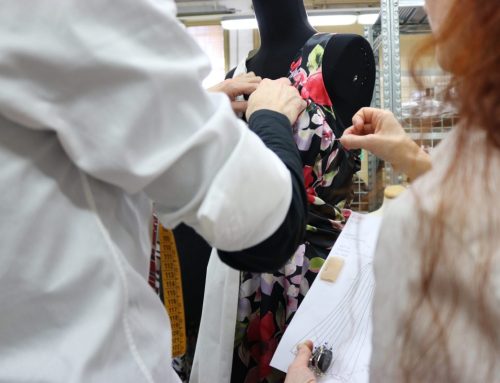
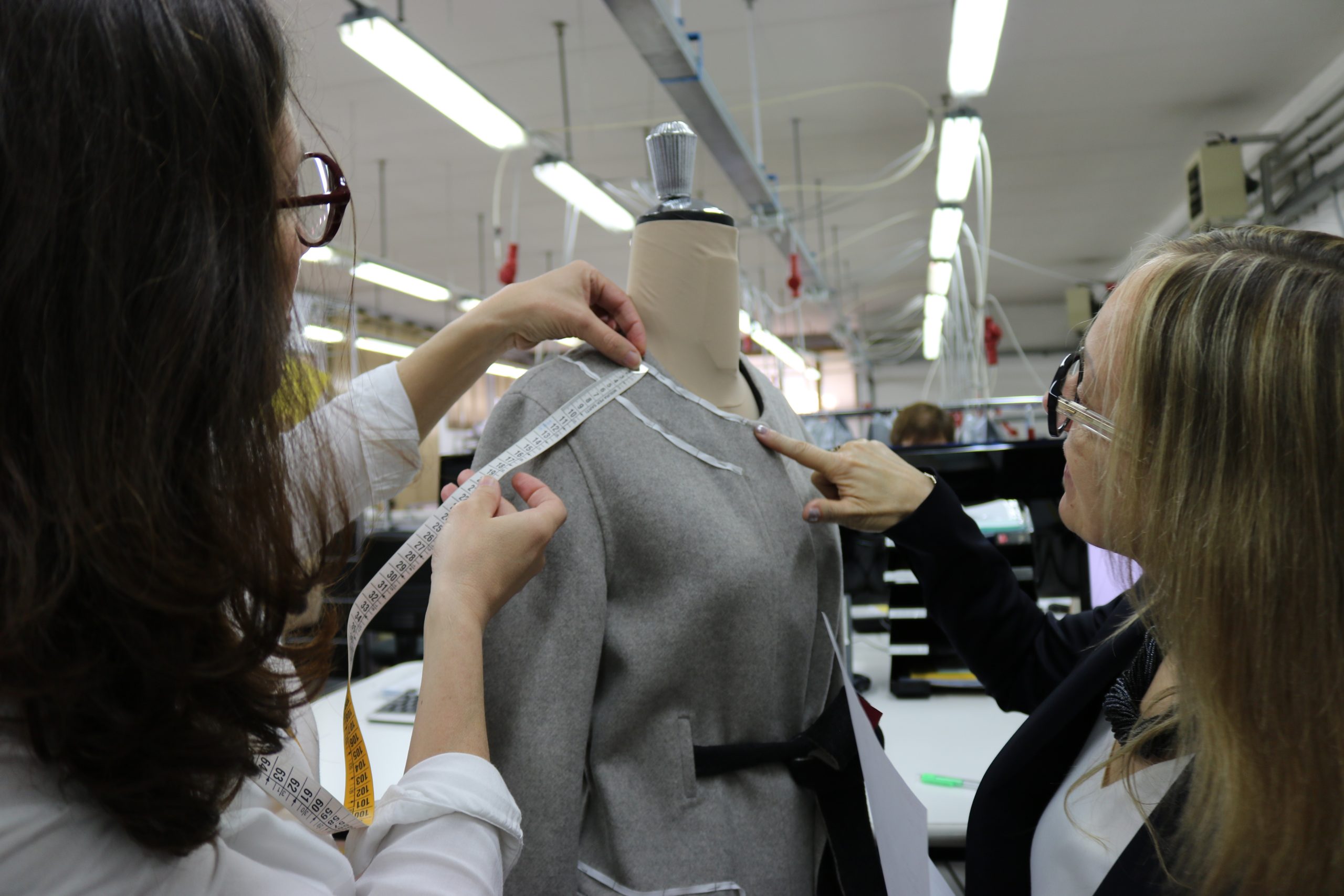
The pattern maker analyzes the garment’s construction and determines the technical adjustments required to the pattern, while the seamstress evaluates the quality of the garment assembly and recommends improvements to finishing details and construction techniques.
Working directly with the client allows every detail to be reviewed, transforming design concepts into practical solutions while maintaining consistency between design, functionality, and the quality of the finished garment.
When should you schedule a garment fitting?
A fitting session is recommended whenever a new garment, a new fashion collection, or significant modifications to an existing design are being developed.
Performing a fitting before production allows you to:
- Improve garment fit
- Detect potential issues early
- Refine the pattern
- Reduce manufacturing errors
- Produce a more accurate sample collection
Frequently Asked Questions
What is the difference between a prototype and a sample?
A prototype is the first garment created to test the design and identify any necessary improvements. A sample is produced after the fitting process and represents the final version used to present the collection and prepare for production.
Who participates in a garment fitting?
A garment fitting typically involves the pattern maker, the seamstress, the client, and, when required, a professional fit model who wears the garment during the evaluation.
How many fitting sessions are usually required?
The number of fittings depends on the complexity of the garment. Simple designs may require only one fitting, while more structured garments often need multiple fitting sessions followed by further adjustments before approval.
Rely on professionals for your fashion collection development
A carefully executed garment fitting is an investment in the quality of the finished product. Evaluating every detail before production helps achieve better garment fit, reduce corrective interventions, and streamline the development of your fashion collection.
If you are looking to develop garment prototypes, create a professional sample collection, or receive technical support during the fitting process, contact the Crea Si team for more information and a dedicated consultation.
About the Author: Crea-Si