
Jeans culture is inseparable from the history of denim, and it has played a central role in fashion and society over the past two centuries. From a simple workwear fabric to a symbol of rebellion, all the way to a contemporary style icon: the journey of jeans says a great deal about how eras and their values change over time. Here are the key points for understanding this culture.
The origins of denim: from manual labour to the first jeans
Denim originated in 19th-century United States as a sturdy cotton fabric, designed for the work trousers of miners and labourers. Its strength made it ideal for tough working environments, where garments needed to withstand heavy use.
In 1873, Levi Strauss and Jacob Davis patented the first jeans reinforced with metal rivets, giving rise to the prototype of the modern pair of jeans. This innovation marked the birth of a brand that would go on to become synonymous with high-quality denim.
Jeans as a symbol of rebellion and counterculture
Over the course of the 20th century, jeans stopped being just a functional garment and became a symbol. In the 1950s and 60s, young rebels and icons such as James Dean wore them both on screen and in real life, helping to cement their image as a symbol of independence and nonconformity.
In the 1960s and 70s, this symbolic charge spread globally: through rock music, cinema and the American imagery of freedom and an informal lifestyle, jeans won over an ever-wider audience, well beyond the borders of the United States.
Diversification of style and iconic brands
Over time, jeans have been adapted into a wide range of styles and cuts, turning into an extremely versatile garment: from casual to luxury fashion, they’ve become an essential part of modern wardrobes.
Brands such as Levi’s, Wrangler and Lee have become icons of jeans culture, each helping to shape trends and specific styles. At the same time, the denim industry has experimented with new technologies and treatments (distressing, dyeing, acid washing) enabling increasingly unique and personalised garments.
Streetwear and customisation: individual expression
Jeans have become a key element of streetwear culture, with strong influences from hip-hop music and urban fashion. Denim is often paired with oversized pieces, sneakers and distinctive accessories, becoming part of the visual language of youth subcultures.
This dimension reflects a broader principle: jeans culture as a space for individual expression. Thanks to techniques such as distressing, painting or other customisation methods, anyone can turn a standard garment into a unique, recognisable piece.
Towards a more sustainable denim culture
In recent years, interest in sustainability within the denim industry has grown. Brands and consumers alike are increasingly aware of the environmental impact of jeans production, and denim culture is evolving accordingly: many producers are reducing water consumption, adopting more eco-friendly production processes and encouraging more mindful consumption through certification processes.
Frequently asked questions about denim culture
Why did jeans become a symbol of rebellion?
In the 1950s and 60s, they were adopted by young people and film icons as a symbol of independence and nonconformity, in contrast to the formal attire of the time.
Who invented modern jeans?
The prototype of the modern jean was born in 1873, thanks to the patent filed by Levi Strauss and Jacob Davis, who introduced metal rivets to reinforce the garment.
Does sustainable denim really exist?
Yes: an increasing number of brands are adopting lower-impact production processes, reducing water consumption and promoting more mindful use of the garment. Always look for certification evidences when sourcing garments or denim fabric.
Want to create denim garments?
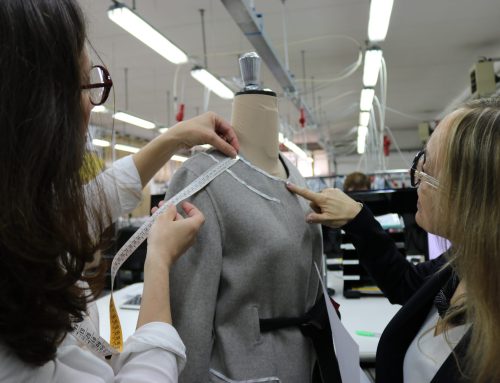
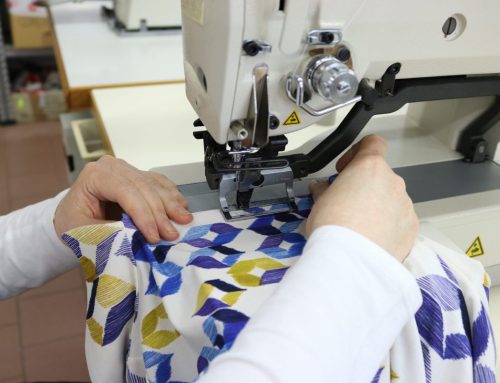
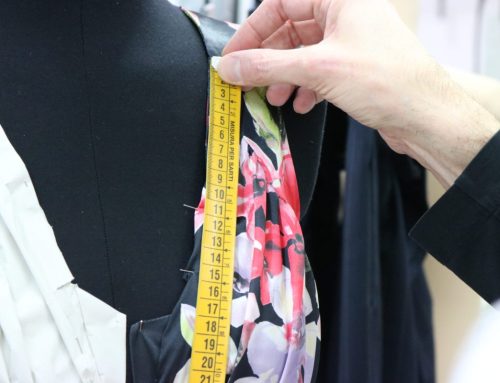
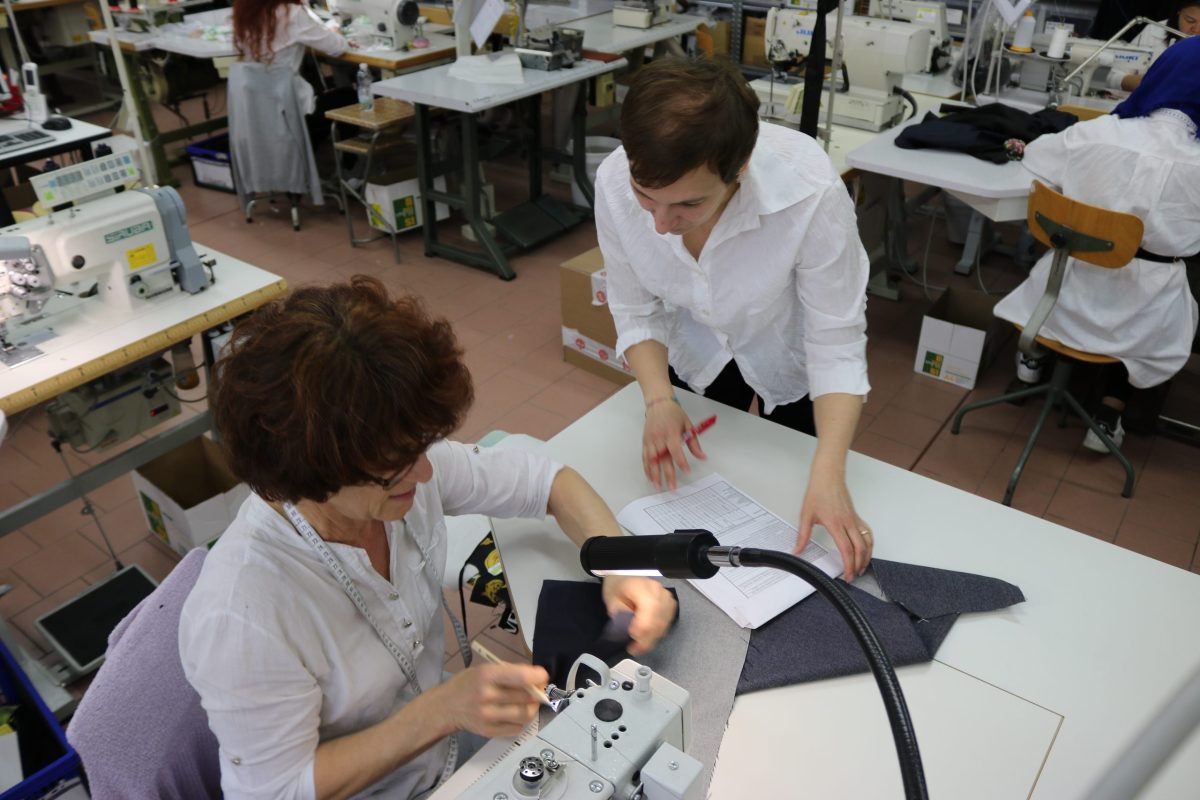
Crea-Si can help, with thirty years of experience in manufacturing clothing across many different fabrics.
Contact us for more information or to present your project!
About the Author: Crea-Si