
Wool is one of the oldest, most versatile, and most beloved natural fibers in the textile world. Whether you need to choose this material for a clothing project, understand how it’s handled in production, or simply learn how to care for a garment you already own, this guide brings together everything worth knowing about wool: what it is, what makes it unique, how it’s processed by hand, and how to keep it in good condition over time.
What is wool
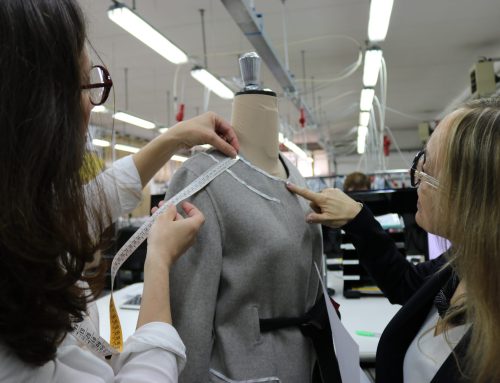
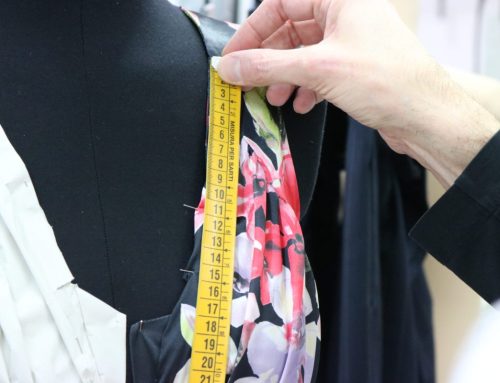
Wool is a natural textile fiber derived from the coat of certain animals, mainly sheep, but also goats and alpacas. It’s considered a noble, high-quality fabric, valued above all for its excellent thermal insulation properties and its durability over time. Its fibers can be spun in many different ways, producing yarns that are finer or coarser depending on the technique. These yarns can go into fully-fashioned knitwear, or into knitted and woven fabrics, which are then cut according to a pattern and sewn together to form the finished garment.
The characteristics of wool: why it’s such a prized material
Wool’s intrinsic qualities make it a preferred choice across a huge range of textile applications, from winter outerwear to lightweight summer garments. Here are the main characteristics that set it apart.
Thermal insulation
Wool has excellent thermal insulation capacity: its fibers trap and hold air, creating a natural barrier that helps retain body heat even in cold conditions.
Moisture absorption
This fiber can absorb up to a third of its own weight in water without feeling wet. This ability to absorb and release moisture contributes to comfort across different climate conditions.
Resistance to creasing and deformation
Wool fibers are naturally elastic, which makes them resistant to creasing and able to return to their original shape after being stretched or compressed.
Natural water resistance
Wool has a slight natural water resistance, allowing it to repel water and protect against light splashes or occasional moisture.
Stain resistance
Thanks to its woolly surface structure, wool naturally hinders dirt particles from penetrating the fibers, making it more stain-resistant than many other fabrics.
Antibacterial and antimicrobial properties
This fiber helps prevent the buildup of unpleasant odors, making it an ideal choice for garments worn close to the skin.
Fire resistance
Wool doesn’t easily catch fire, and when it does burn, it produces fewer toxic fumes than many synthetic fibers.
Biodegradability
Being a natural fiber, wool is biodegradable and doesn’t leave a negative environmental impact over time.
Versatility and longevity
It can be spun into fine or thick yarns, adapting to very different products, from lightweight summer knits to heavy winter garments. When properly cared for, it’s also extremely durable and wear-resistant.
How wool is processed: from cutting to sewing
Working with wool requires care, as it’s a delicate fiber that needs to be handled attentively at every stage of garment production.
The cutting phase
During cutting, it’s essential to pay attention to the spinning direction, the fabric’s nap, and the direction of the pile. All pieces of the garment must be cut in the same direction to avoid visible discrepancies between the parts. With a napped wool, the pile generally needs to be cut facing downward.
Needles, tension, and preliminary tests
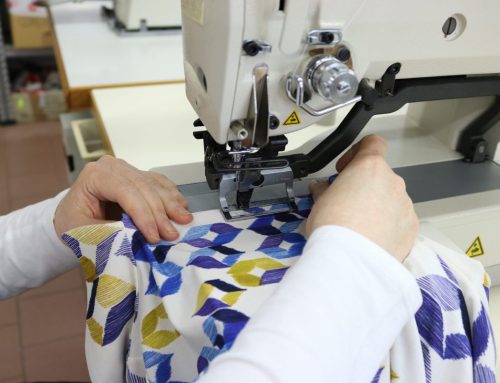
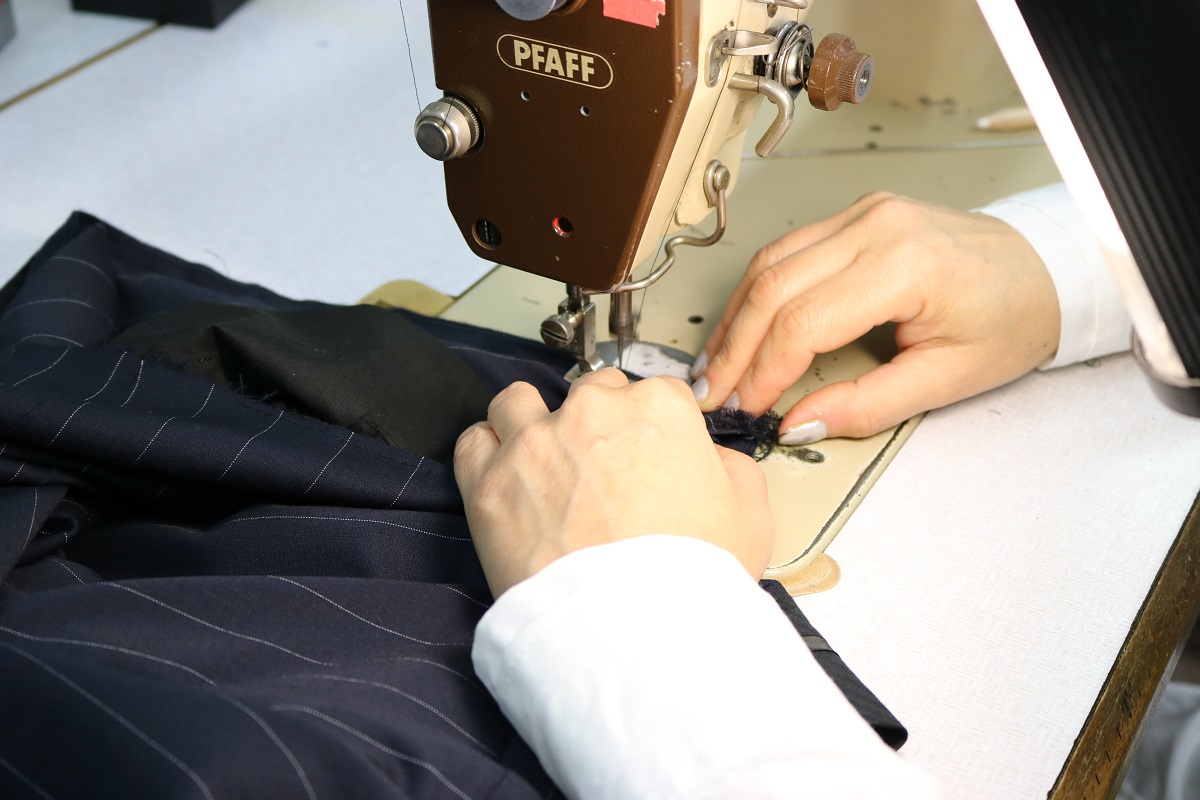
Sewing requires specific needles, chosen according to the weight of the fabric and the thickness of the thread used. Machine tension also needs careful adjustment: if the thread is too tight, the seam risks puckering. For this reason, it’s always advisable to run a few tests on scrap fabric first, to set up the machine, needle, and thread correctly before moving on to the actual assembly.
The main types of stitching for wool
Depending on the desired result, different types of stitching can be used:
- Straight stitch – the most basic type of stitch, suited for simple straight seams.
- Stretch stitch – ideal for elastic fabrics and garments that need flexibility, as it stretches along with the fabric without breaking.
- Coverstitch – perfect for stretch fabrics like knitted wool; it creates flat, durable seams.
- Overlock stitch – useful for finishing edges and preventing wool from fraying.
- Blind stitch – creates nearly invisible seams, ideal for hems.
- Chain stitch – adds flexibility to the seam and is often used for lightweight, stretchy fabrics.
The right stitch always depends on the specific project and the type of wool being used.
How to care for wool garments
Once a wool garment has been made or purchased, how long it lasts largely depends on the care it receives. Wool fibers are delicate and, if handled incorrectly, can shrink, lose their shape, or become damaged.
Always check the care label
Before doing anything else, check the garment’s care label for the manufacturer’s specific instructions.
Hand washing
In general, it’s best to hand wash wool garments using cold or lukewarm water (never hot, to avoid shrinking) and a mild or wool-specific detergent. The garment can be left to soak for a few minutes, taking care not to rub or wring the fabric.
Machine washing
If the label allows it, the garment can be machine washed on a delicate cycle, using a laundry bag for protection, cold water, and a wool-specific detergent.
Drying
Wool garments should be dried flat, laid out on a flat surface such as a towel, to help them keep their original shape. Direct sunlight and tumble dryers should be avoided, since excessive heat can cause the fibers to shrink.
Ironing
If ironing is necessary, it should be done at low heat, using a damp cloth between the iron and the garment to avoid direct contact with the heat.
Storage
Wool garments should be stored in a way that avoids hangers that could deform the shoulders, preferring breathable bags or containers that protect them from dust.
Stains
Stains should be treated as soon as possible, using mild products and avoiding harsh solvents that could damage the fibers.
Frequently asked questions about wool
Does wool shrink if washed in hot water?
Yes, hot water is one of the main causes of wool shrinkage: it’s always best to wash garments in cold or lukewarm water.
What’s the best way to dry a wool garment?
Lay it flat on a horizontal surface, away from direct heat sources such as sunlight or a tumble dryer.
What type of stitch works best for knitted wool?
A coverstitch is generally the best choice for stretch fabrics like knitted wool, as it creates flat, durable seams that move with the fabric’s elasticity.
Why doesn’t wool develop unpleasant odors even after extended wear?
Thanks to its natural antibacterial and antimicrobial properties, wool resists the buildup of unpleasant odors more effectively than many other fibers.
Want to create wool garments?
Crea-Si can help you process wool fabrics (knitted or woven), drawing on thirty years of experience in making clothing across many different fabrics. Get in touch for more information or to tell us about your project!
About the Author: Crea-Si